Categories
CAR PARTS News & Blog

Car water pump: 5 signs that tell you when to replace it

The car water pump is a small component, like many others in your car. However, if the pump doesn’t work correctly, it can cause serious engine problems. But what still causes some confusion is what the water pump is (and what it’s used for).

In a nutshell, this component allows the engine to cool down. If it didn’t exist, the engine would never reach lower temperatures (after reaching the higher ones), which would burn out essential parts. The car water pump is also responsible for circulating the coolant through the engine, preventing it from overheating.

Because it’s used so much, the water pump needs replacing. So, do you know when to change it? There are 5 signs you shouldn’t ignore.

Man driving at night to test car water pump noises

Car water pump: what it’s for and when to change it

Think about it: do you know what happens if the water pump doesn’t work perfectly or has a fault? We’ll help you answer:

  1. Overheating, because the car water pump stops cooling the engine.
  2. Engine meltdown occurs when its constituent parts melt due to high temperatures.

The service life of the water pump is relatively short. So the best thing you can do is replace it as a precaution. That way, you avoid damaging the engine. It’s recommended changing the component every 40,000 km. This will protect your car during winter and the rest of the year.

Change the car water pump when you notice 1 of these 5 signs

Remember this, and don’t just stick to the 40,000 km average. If you notice one of these signs before that milestone, it’s time to replace the water pump.

  1. Water leaks: these happen near the engine and can be a sign that the water pump is faulty and needs intervention.
  2. Strange sounds: especially at the front of the car, near the engine. If you hear them, take the car to the mechanic because the pump may be damaged.
  3. Engine overheating: you can confirm this by looking at the temperature gauge on your car’s dashboard. Maybe the car water pump isn’t cooling the engine as it should.
  4. Wear and corrosion on the water pump: if you see rust on any part of this component, it’s time to replace it.
  5. Loose timing belt (or showing signs of wear): in this case, the pump may need intervention.

Don’t let time pass. Postponing a repair or replacement will only cost you more money, as you won’t be able to recover certain vehicle components. Something that helps a lot is to do some preventive checks, even if you don’t notice any of these signs. This will ensure that you don’t miss anything.
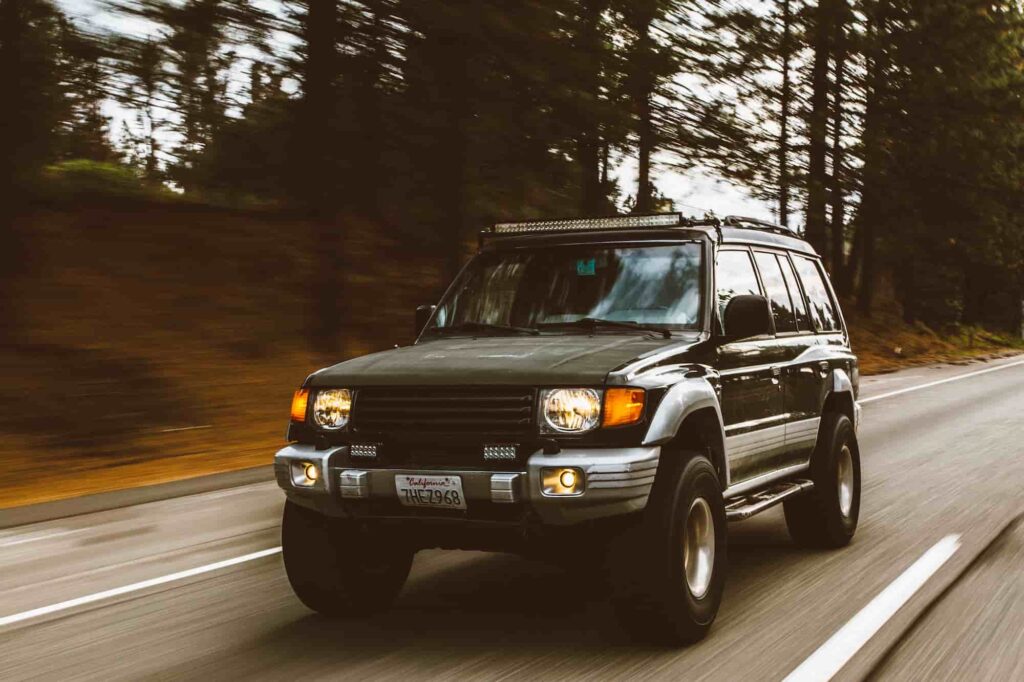
Green jeep on the road that doesn't need to replace the car water pump

How to take care of the car water pump

To prevent it from wearing out (or being replaced) more quickly, make sure you follow these simple precautions — which will extend the life of your water pump:

  1. Read your vehicle’s manual to determine when to change the water pump.
  2. Have preventive or periodic check-ups to avoid engine problems.
  3. Service the car with the engine switched off and cold (to avoid burns).
  4. Only use the coolant indicated by your car’s manufacturer.

You can’t be too careful. If you haven’t spotted any of the signs we’ve explored, schedule a check-up. This will ensure that you don’t get any surprises in the next few days.
Categories
CAR PARTS News & Blog

5 common clutch pedal problems: why they happen and how to replace

When you drive, you need to adjust your speed according to the context you’re in — and you do that through the gearbox to increase and decrease the vehicle’s speed. But, as you know, the gearbox doesn’t work on its own.

Gear changes only happen when you press the clutch pedal. At that moment, the clutch disk separates from the flywheel. This separation, in turn, allows you to shift gears.

All this only happens because the pressure it exerts disconnects the engine from the transmission — eliminating the force on the drive wheels.

But the function of the clutch pedal doesn’t stop there.

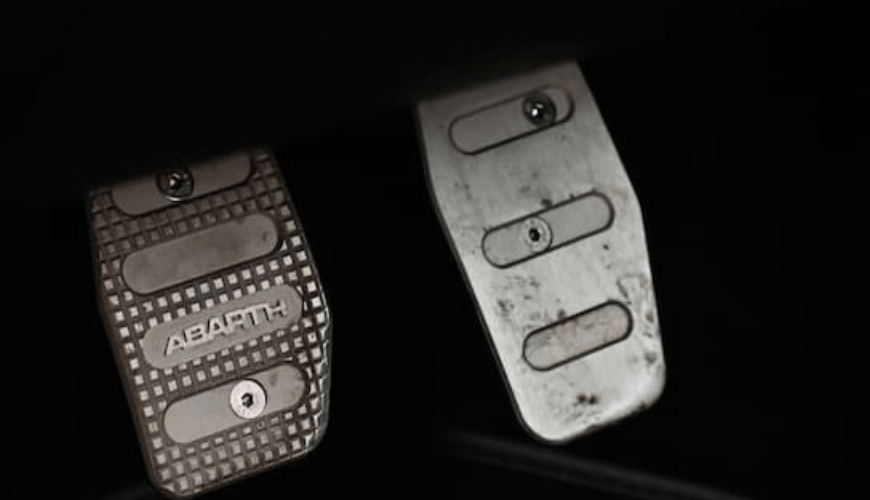
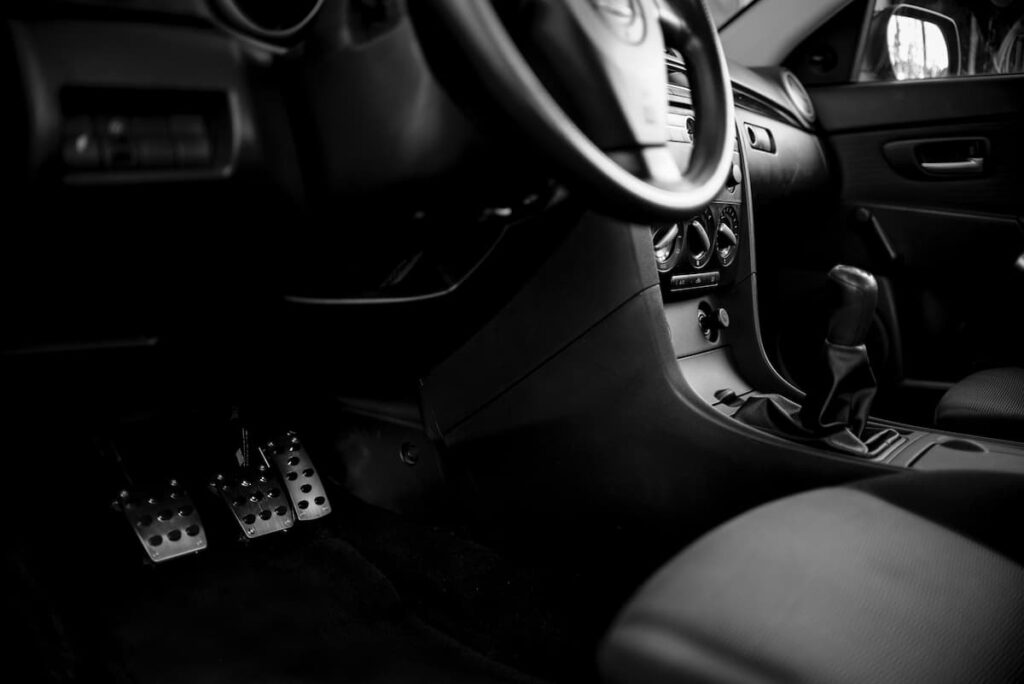
Detail of a car steering wheel and pedals, including the clutch

Clutch pedal: what it does, how and what types there are

The clutch consists of 3 parts:

  • Clutch disk: made of steel, this is the part that transmits the power from the engine to the wheels of your vehicle — first passing through the gearbox;
  • Pressure plate: causes the clutch disk to rub against the flywheel, preventing the two surfaces from sliding together;
  • Thrust bearing: conducts the force exerted on the clutch pedal to clutch or disengage.

The 3 parts together transmit the engine’s trajectories to the gears in your vehicle’s gearbox — something that doesn’t happen in automatic cars, where you don’t need to shift from one gear to another.

The most common clutch pedal types

Here they are:

  • Mechanical friction clutch or cable drive: the simplest system. In this case, a steel cable connects the clutch pedal to the clutch assembly. When you press the pedal, the cable moves and, in turn, drives the clutch release bearing;
  • Hydraulic clutch: works like an automatic clutch between the gearbox and the car’s engine. It allows the engine to transmit its torque (i.e., power) when it reaches a certain rotational speed.

Car clutch pedal wear: how to identify and avoid problems

Do you drive carefully? Do you drive slowly and do your car’s maintenance regularly?

That’s good to know!

But unfortunately, that’s not enough to prevent clutch pedal wear. There are (many) more factors that don’t depend on you, and that gradually wear down this component, such as:

  • Mostly city driving, where “start and stop” is a constant;
  • Driving on very inclined roads;
  • Driving with several stops along the way (such as at traffic lights or STOP signs);
  • Traffic jams;
  • Excessive loads.

By avoiding these situations (as much as possible), you make the clutch pedal last longer. And, consequently, avoid the most common problems.

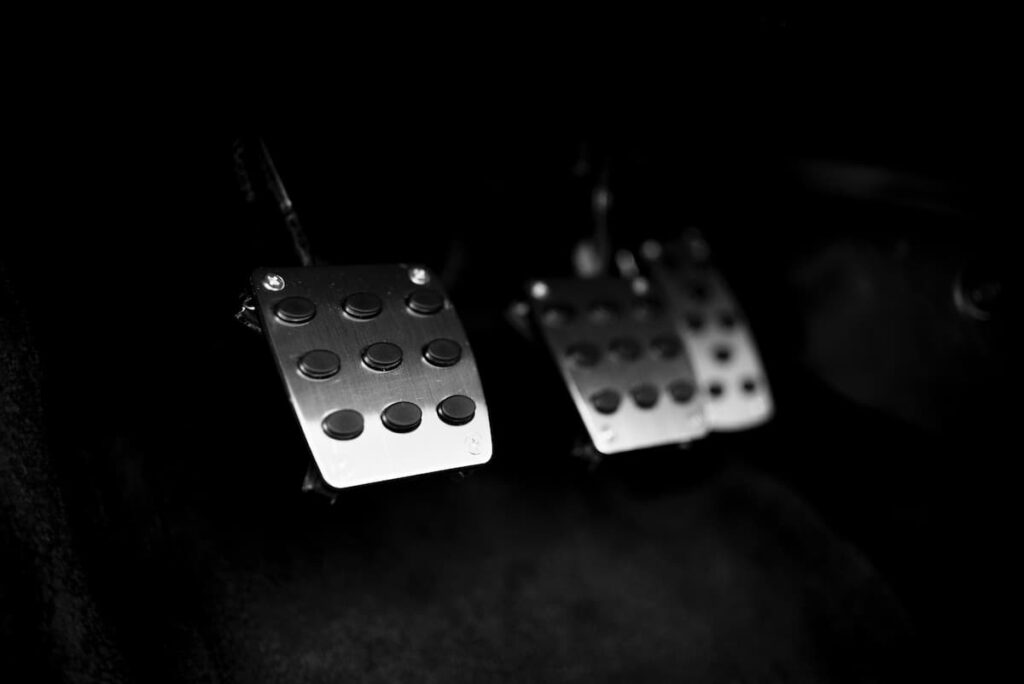
Acceleration, brake and clutch pedals of a manual car

The 5 most common clutch problems

Now that you know the situations that most contribute to this component’s wear and tear, it’s time to know the most common problems. If you identify them in advance, you’ll avoid (several) visits to the mechanic and, consequently, unnecessary expenses.

1. Stiff clutch pedal

This is usually the first and most common problem. The pedal becomes too stiff, causing you to set more pressure to activate it. It’s also normal that, in these cases, you find it difficult to shift into another gear — due to the excessive force you put on the pedal.

2. Difficulty in driving on inclined roads

If a vehicle has a damaged clutch, it’s very difficult to drive on an inclined road when engaging the next gear.

3. Shaking when shifting gears

If the car shudders when you shift gears, the clutch is probably worn out. Shuddering occurs when the disk and pressure plate don’t come together (as they should). The lack of connection means that they often collide unevenly.

4. Slippery driving feeling

It often happens on the highway. When you change gears, the engine speed goes up, but the car’s speed doesn’t increase. This is due to the lack of friction between the disk and the pressure plate.

5. Difficulty shifting gears

Want to know if it’s time to replace a stiff clutch pedal? Just engage the reverse gear.

Test it out: engage the reverse gear and see if the movement “scratches.” Engage the first gear again and see if it persists.

If so, then you should visit your mechanic.

The truth is you can avoid most clutch pedal problems. You just need to pay as much attention as possible and ensure that all maintenance and servicing is up to date.

It only takes one component to wear out to damage the entire clutch system — which can soon damage other parts of the vehicle.

When should you change the clutch pedal?

There’s no exact time to replace the clutch pedal. You may need to change it at 5,000 km or 300,000 km. It all depends on how you drive and whether you have detected any of the problems mentioned so far.

Even so, it’s recommended that you replace this component somewhere between 150,000 km and 200,000 km.

4 recommendations for protecting your car’s clutch

Nothing like prevention, right? Avoiding major expenses and headaches should be a priority, so keep these recommendations in mind:

  1. Don’t release the clutch abruptly when changing gears;
  2. Always start the car in first gear;
  3. Don’t keep your foot on the clutch pedal if you’re not using it;
  4. When you stop, put the gear in a neutral position.

Prevent serious clutch problems, wear, and tear, and always choose safe driving. Your car will benefit, and so will your safety.

Product Enquiry

Translate »